Switch to an accessible version of this website which is easier to read. (requires cookies)

Lloyd George precedent on police pay - 'doubly instructive' as Gordon Brown faces police strike

January 23, 2008 12:42 PM

Police on the BeatIn a special report on crime in today's Guardian newspaper (23 January 2008), columnist Allegra Stratton looks back at the history of police strikes and the threat of police strike ballots as background to the present dispute between the Police Federation and the government.

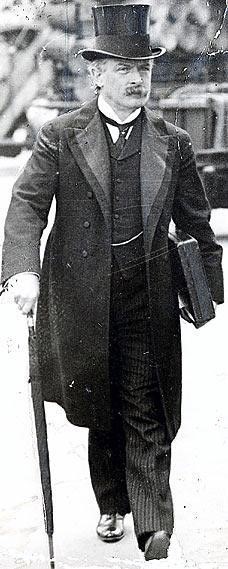
Introducing the subject, Stratton takes us back to the year 1918 when David Lloyd George, as prime minister, was facing the prospect of competing public sector demands for increased pay and expenditure as many thousands of British soldiers were being demobbed at the end of the Great War. The police actually did strike in 1918 and 1919. It led to the government passing the 1919 Police Act which outlawed the right to strike of police officers but created the Police Federation of England and Wales as the legitimate outlet for addressing and resolving police grievances. The Lloyd George government also granted the police a substantial pay rise, doubling their wages.

Stratton's article quotes Professor Robert Reiner of the London School of Economics to the effect that the 1918 to 1919 unrest is doubly instructive. "The police won't strike because they know the public are worried about the chaos it would cause." Although Reiner says the consequences of a strike "are variable". "In London 1918 there was no noticeable effect on crime and disorder, in 1919, just a year, later there was rioting."

You can read the whole of the article at: http://www.guardian.co.uk/crime/article/0,,2245473,00.html

There are also some interesting pages about the police strikes of 1918-1919 at http://en.wikipedia.org/wiki/British_police_strikes_in_1918_and_1919
What would you like to do next?

  • Subscribe for updates

    Read updates from this website in your desktop or online news reader

    • On a news reader website

      •  
      •  
      •  

      In a desktop news reader or a website not listed above

      •  
    • Example monthly digest email
      •  
      •  
      •  
    • If you submit your email address, the Liberal Democrats and their elected representatives may use the information you have provided to contact you from time to time about issues we think you may find of interest. Some of the contacts may be automated. You can opt out of some or all contacts at any time by contacting us.


    • Generate different image

    Join our email list

    • If you submit your email address, the Liberal Democrats and their elected representatives may use the information you have provided to contact you from time to time about issues we think you may find of interest. Some of the contacts may be automated. You can opt out of some or all contacts at any time by contacting us.


    • Generate different image

    Follow the party's activity on...

  • Share this page

    Share this page on another website

    Link to this page

    On websites and printed material:
    lloydgeorgesociety.org.uk/en/article/2008/130340/lloyd-george-precedent-on-police-pay-doubly-instructive-as-gordon-brown-faces-police-strike
    In text messages, Twitter, or reading over the phone:
    lg.lib.dm/a05Dv

    Email this page to a friend


    • Generate different image
  • Help out or donate

    Help out in your local area

      •  
      •  
      •  
      •  
      •  
      •  
      •  
      •  
      •  
      •  
      •  
      •  
    • If you submit your email address, the Liberal Democrats and their elected representatives may use the information you have provided to contact you from time to time about issues we think you may find of interest. Some of the contacts may be automated. You can opt out of some or all contacts at any time by contacting us.


    • Generate different image
  • Tell us what you think

    Send us your views

    • If you choose to join our email list, the Liberal Democrats and their elected representatives may use the information you have provided to contact you from time to time about issues we think you may find of interest. Some of the contacts may be automated. You can opt out of some or all contacts at any time by contacting us. You do not need to join our email list to complete this form.


    • Generate different image